
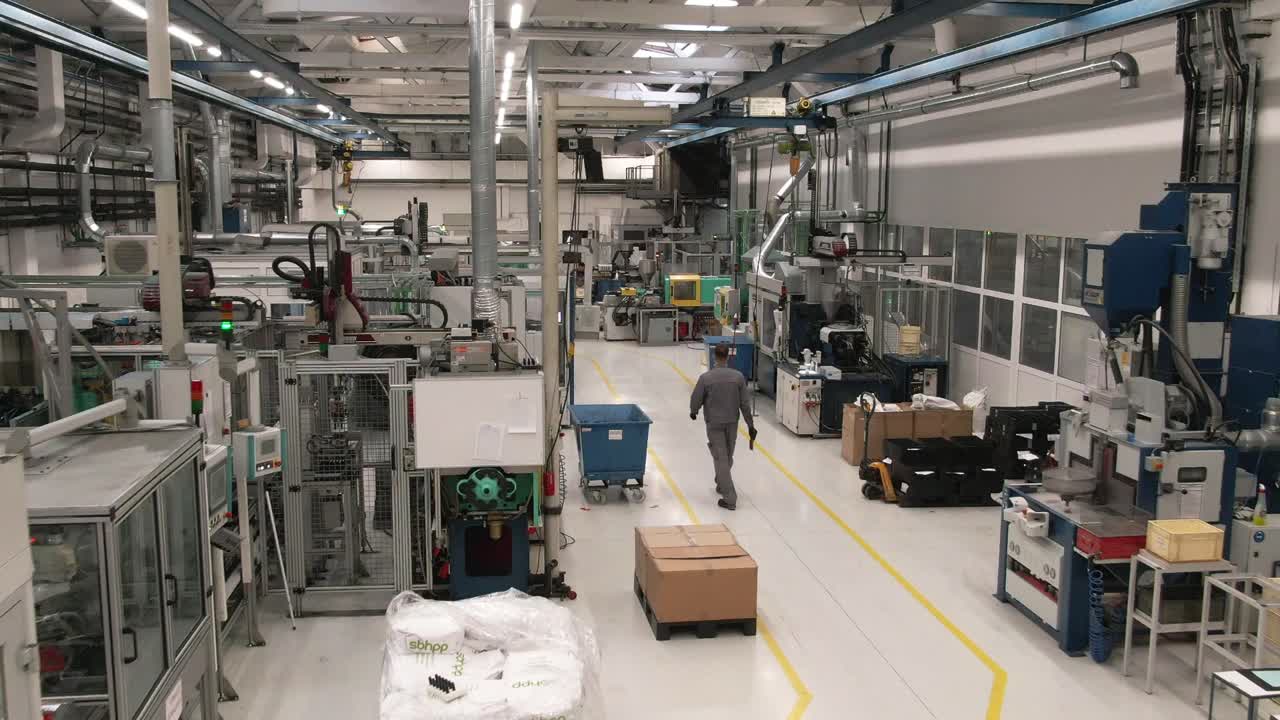

The term industry represents one of the most fundamental pillars of economic development, encompassing the production of goods, provision of services, and the collective activities that drive innovation and employment across the globe. Industries are vital engines of growth, contributing to national GDP, shaping labor markets, and fostering technological advancements. Understanding the intricacies of industries, from their structures and classifications to emerging trends and strategic challenges, is essential for professionals, investors, and policymakers alike.
Defining Industry and Its Scope
An industry refers to a group of companies or organizations engaged in producing similar goods or services. Industries are typically categorized based on their outputs, technologies, or processes, enabling analysis, regulation, and strategic planning. The concept encompasses traditional sectors like manufacturing and agriculture, as well as modern fields like information technology, biotechnology, and renewable energy.
Types of Industry
Industries are generally classified into three major categories:
- Primary Industry: Focused on natural resources extraction, including agriculture, forestry, mining, and fishing. This sector provides raw materials essential for secondary industries.
- Secondary Industry: Involves the transformation of raw materials into finished products, including manufacturing, construction, and energy production. Efficiency, innovation, and technological adoption are key factors in this sector.
- Tertiary Industry: Centers on service provision rather than goods production, encompassing sectors like retail, healthcare, finance, education, and information technology. Services industries are increasingly dominant in modern economies, driving innovation and customer engagement.
Sub-Sectors and Specializations
Within these broad categories, industries are further subdivided into specialized sectors to reflect the diversity of operations and markets. For example:
- Automotive Industry: Manufacturing of vehicles, parts, and related services.
- Pharmaceutical Industry: Research, development, and production of medicines and health-related solutions.
- Tech Industry: Software, hardware, and digital services aimed at both consumer and enterprise markets.
- Energy Industry: Oil, gas, renewable energy, and power generation services.
Understanding the classification of industries helps businesses identify market opportunities, regulatory requirements, and technological trends.
Economic Role and Impact of Industries
Industries drive economic development through several mechanisms:
Job Creation
Industries are significant employers, offering a wide range of roles from entry-level positions to highly specialized technical and managerial functions. Robust industrial growth can reduce unemployment and support stable labor markets.
Wealth and GDP Contribution
The output generated by industries contributes directly to a country’s gross domestic product. Secondary industries, particularly manufacturing, often generate high-value goods and export opportunities, boosting national income.
Technological Advancements
Industrial competition encourages research and development, leading to technological breakthroughs. For instance, the semiconductor industry has spurred innovations in computing, healthcare, and telecommunications.
Global Trade and Investment
Industries form the backbone of international trade, enabling countries to specialize in specific sectors. Strategic industrial development can attract foreign direct investment, enhance export potential, and integrate national economies into global value chains.
Industrial Strategies and Growth Models
To maintain competitiveness, industries adopt various strategic approaches based on innovation, market penetration, and operational efficiency.
Innovation-Driven Growth
Industries that prioritize research and development gain a competitive edge by introducing novel products, services, and processes. Key elements include:
- Investment in cutting-edge technologies.
- Patenting and intellectual property management.
- Collaboration with universities and research institutions for breakthrough innovations.
Market Expansion and Diversification
Industries often pursue growth by entering new geographic markets or expanding their product/service portfolio. Techniques include:
- Export-oriented strategies targeting emerging economies.
- Development of complementary products to address untapped customer needs.
- Strategic mergers and acquisitions to consolidate market presence.
Operational Efficiency
Industries must optimize resources, reduce costs, and improve productivity to remain viable. Techniques include:
- Lean manufacturing processes.
- Automation and robotics for labor-intensive tasks.
- Supply chain optimization to reduce waste and enhance speed-to-market.
Sustainability and ESG Integration
Environmental, Social, and Governance (ESG) considerations are increasingly central to industrial strategy. Key practices include:
- Adopting renewable energy and energy-efficient production methods.
- Minimizing environmental pollution and carbon emissions.
- Ensuring ethical labor practices and promoting workplace diversity.
Technological Transformation in Modern Industry
Technological advancements are reshaping industries at an unprecedented pace, creating opportunities for efficiency, innovation, and differentiation.
Automation and Robotics
Automation reduces manual intervention, enhances precision, and accelerates production timelines. In manufacturing, robotic assembly lines and AI-powered quality control systems are standard practices for leading companies.
Digitalization and Industry 4.0
Industry 4.0 represents the convergence of digital technologies with industrial processes. Key elements include:
- Internet of Things (IoT): Connected devices that enable real-time monitoring of machinery, inventory, and production conditions.
- Data Analytics: Utilizing big data to forecast demand, optimize operations, and enhance decision-making.
- Cyber-Physical Systems: Integrating physical processes with digital control for improved efficiency and flexibility.
Artificial Intelligence and Machine Learning
AI applications enhance predictive maintenance, process optimization, customer behavior analysis, and supply chain management. Industries leveraging AI can reduce costs, improve product quality, and offer personalized services.
Renewable and Clean Technologies
Energy-intensive industries increasingly adopt sustainable technologies, including solar, wind, and hydrogen-powered systems. Green industrial practices reduce environmental impact and align with regulatory standards and investor expectations.
Industrial Challenges and Risk Management
Despite their critical role, industries face multiple challenges in a dynamic global environment:
- Global Competition: Companies must innovate continuously to remain competitive against international players.
- Regulatory Compliance: Navigating local, national, and international regulations can be complex, particularly for highly regulated sectors such as pharmaceuticals and energy.
- Economic Fluctuations: Inflation, currency volatility, and economic downturns can disrupt industrial operations and profitability.
- Supply Chain Vulnerabilities: Disruptions in logistics, material sourcing, or geopolitical instability can impact production timelines and costs.
- Talent Shortages: Specialized skills in engineering, data analytics, and technology are in high demand, creating workforce constraints.
Effective risk management strategies include diversification, scenario planning, robust supply chain design, and continuous employee training.
Measuring Industrial Performance
Industries assess success through a combination of financial, operational, and strategic metrics:
- Financial Metrics: Revenue growth, profit margins, cost efficiency, and ROI.
- Operational Metrics: Production efficiency, equipment utilization, and defect rates.
- Strategic Metrics: Market share, brand recognition, innovation pipeline, and ESG performance.
These metrics guide investment decisions, operational improvements, and long-term strategic planning.
Future Trends Shaping Industry
Industries are evolving in response to technological, environmental, and social pressures. Emerging trends include:
- Circular Economy Practices: Emphasizing recycling, resource efficiency, and waste minimization.
- Smart Manufacturing: Integration of AI, robotics, and IoT to create highly adaptive production systems.
- Global Supply Chain Localization: Shifting some production closer to demand markets to reduce dependency on distant suppliers.
- Personalization and Customer-Centric Design: Tailoring products and services to specific consumer needs using data-driven insights.
- Integration of Renewable Energy: Transitioning to sustainable energy sources for long-term operational viability.
FAQs About Industry
What distinguishes different industries from each other?
Industries differ based on the nature of their goods or services, production methods, technological requirements, and regulatory frameworks.
How does industry classification impact business strategy?
Understanding the industry category helps companies identify market opportunities, anticipate challenges, and align operational strategies with sector-specific demands.
Why is innovation critical for industrial growth?
Innovation enables industries to remain competitive, address evolving consumer demands, improve efficiency, and adapt to technological disruptions.
How do industries contribute to the economy beyond employment?
Industries generate wealth, facilitate international trade, foster technological advancement, and influence infrastructure development.
What are the major risks faced by modern industries?
Industries face economic fluctuations, regulatory challenges, supply chain disruptions, technological obsolescence, and workforce skill gaps.
How are industries adopting sustainability practices?
Through renewable energy, waste reduction, circular economy models, and ethical governance, industries reduce environmental impact and meet stakeholder expectations.
What role does digitalization play in the future of industry?
Digitalization drives operational efficiency, predictive analytics, smart manufacturing, and data-driven decision-making, enabling industries to adapt to market and technological changes rapidly.
Industries are at the heart of economic development, shaping societies, employment, and global trade. From technological innovation to strategic growth, sustainability, and operational efficiency, understanding the structure and dynamics of industries is crucial for navigating modern economic landscapes. Businesses, policymakers, and professionals who grasp these principles can strategically harness industrial potential for growth, competitiveness, and long-term value creation.

Comments are closed.