
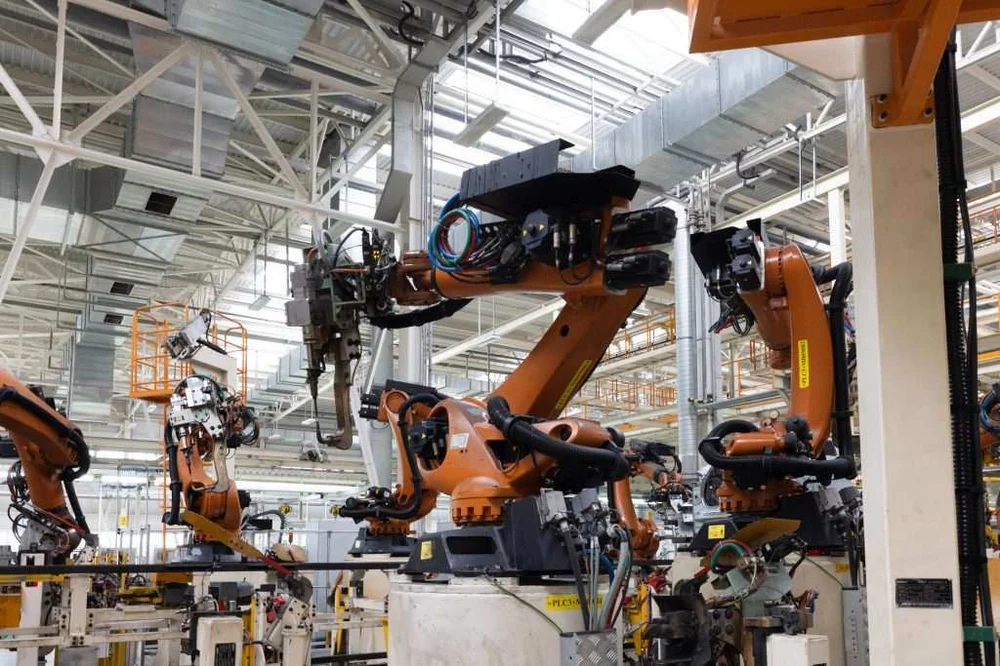

Industry represents the structured sector of an economy focused on the production of goods, services, or technology. It serves as a crucial driver of economic growth, employment, innovation, and global competitiveness. Understanding the intricacies of industry—from classification and operational models to technological integration and sustainability—is essential for policymakers, investors, and business leaders. This article provides a comprehensive analysis of the concept of industry, examining its types, evolution, modern strategies, challenges, and emerging trends while offering actionable insights for stakeholders.
The Evolution of Industry
Industry has undergone significant transformations over centuries, influenced by technological innovation, globalization, and social changes. Its evolution can be categorized into several distinct phases.
Pre-Industrial Era
Prior to mechanization, industry primarily revolved around craftsmanship and manual production. Cottage industries and small-scale workshops produced goods locally, relying on human labor and basic tools.
Industrial Revolution
The 18th and 19th centuries marked the Industrial Revolution, characterized by mechanized production, steam engines, and factory systems. This period shifted production from homes to centralized facilities, increasing output and creating new labor dynamics.
Mass Production Era
The 20th century introduced assembly lines, standardized products, and economies of scale. Mass production enabled industries such as automotive, textiles, and consumer electronics to meet rapidly growing demand.
Digital and Knowledge Era
The late 20th and early 21st centuries brought digitalization, automation, and information-based industries. Advanced technologies, data analytics, and knowledge-driven processes transformed manufacturing, services, and global trade.
Classification of Industries
Industries can be categorized based on the nature of production, scale, and economic impact. This classification helps businesses identify growth opportunities and align operational strategies.
Primary Industry
Primary industries extract or harvest natural resources directly from the earth or environment. These include:
- Agriculture: Crop cultivation, livestock, and aquaculture.
- Mining: Extraction of minerals, metals, and fossil fuels.
- Forestry: Timber production and sustainable forest management.
- Fishing: Commercial and industrial fishing operations.
Secondary Industry
Secondary industries focus on processing raw materials into finished goods. These industries bridge primary production and consumer markets.
- Manufacturing: Automotive, electronics, machinery, and textiles.
- Construction: Residential, commercial, and infrastructure development.
- Energy Production: Transformation of raw fuels into electricity, gas, and renewable energy solutions.
- Food Processing: Conversion of raw agricultural products into packaged goods.
Tertiary Industry
Tertiary industries provide services rather than tangible products, forming a critical part of modern economies.
- Retail and Wholesale: Distribution of goods to end consumers and businesses.
- Financial Services: Banking, insurance, investment, and advisory services.
- Healthcare: Hospitals, clinics, and wellness services.
- Information Technology and Communication: Digital services, software development, and telecommunication solutions.
- Hospitality and Tourism: Travel, accommodation, and entertainment services.
Quaternary and Quinary Industries
Advanced economies increasingly recognize quaternary and quinary sectors:
- Quaternary Industry: Knowledge-based services such as research, education, IT consulting, and data analytics.
- Quinary Industry: High-level decision-making, executive management, scientific research, and non-profit management that shape societal and economic directions.
Strategic Importance of Industry
Industries play a pivotal role in shaping national economies, employment patterns, and innovation ecosystems.
Economic Growth
Industries generate GDP through production, exports, and taxation. High-performing sectors drive investment, infrastructure development, and technological advancement.
Employment and Workforce Development
Industries provide diverse employment opportunities across skill levels. Specialized sectors require trained professionals, fostering educational and vocational programs to support workforce development.
Innovation and Technology Advancement
Industries are hubs of innovation, leveraging R&D to enhance processes, develop new products, and integrate digital solutions. Sectors like electronics, pharmaceuticals, and renewable energy lead technological advancement.
Global Trade and Competitiveness
Industrial output determines a country’s trade balance and international competitiveness. Advanced industries enhance export capabilities, attract foreign investment, and influence geopolitical positioning.
Modern Industrial Strategies
To remain competitive in a globalized and digital economy, industries adopt strategic approaches that optimize production, innovation, and sustainability.
Lean and Agile Operations
Lean management minimizes waste, reduces costs, and enhances process efficiency. Agile methodologies allow rapid adaptation to market changes, particularly in technology-driven sectors.
Digital Integration and Industry 4.0
Industry 4.0 represents the convergence of automation, data analytics, and IoT within industrial operations. Key components include:
- Smart Factories: Integration of sensors, robotics, and AI to optimize production.
- Predictive Maintenance: Utilizing real-time data to anticipate equipment failures.
- Supply Chain Digitization: Enhancing transparency, efficiency, and resilience in procurement and distribution.
Sustainability and Circular Economy
Sustainable industrial practices minimize environmental impact while maintaining profitability. Initiatives include:
- Renewable Energy Adoption: Utilizing solar, wind, and hydroelectric power in manufacturing.
- Waste Reduction: Recycling materials and implementing circular production models.
- Eco-Friendly Products: Developing products with lower carbon footprints and sustainable materials.
Innovation and R&D Investment
Industries allocate resources to research and development to maintain competitive advantage. Continuous innovation enables differentiation, supports product diversification, and opens new markets.
Workforce Training and Development
Industries invest in employee skill development to adapt to evolving technologies. Technical training, leadership programs, and continuous education ensure workforce readiness.
Challenges Facing Modern Industries
Despite opportunities, industries face challenges that require strategic management and adaptive policies.
- Technological Disruption: Rapid innovation can render traditional processes obsolete, demanding continuous modernization.
- Global Competition: International markets increase pressure on pricing, quality, and innovation.
- Regulatory Compliance: Industries must adhere to environmental, safety, and labor regulations.
- Resource Scarcity: Limited natural resources drive the need for sustainable sourcing and efficiency.
- Supply Chain Vulnerabilities: Globalized supply chains are susceptible to disruptions from geopolitical tensions or natural disasters.
Industry-Specific Case Studies
Manufacturing Industry
Manufacturing relies heavily on automation, precision machinery, and quality control systems. Adoption of smart factories and robotics enhances efficiency, reduces operational costs, and accelerates time-to-market.
Healthcare Industry
Healthcare integrates advanced medical equipment, digital patient records, and telemedicine platforms. Innovation in pharmaceuticals, medical devices, and AI-driven diagnostics improves patient outcomes and operational efficiency.
Energy Industry
Energy industries balance traditional fossil fuels with renewable energy adoption. Investment in smart grids, energy storage, and sustainability initiatives ensures long-term resilience and environmental compliance.
Information Technology Industry
IT industries drive digital transformation across sectors. Cloud computing, cybersecurity, software development, and AI solutions enhance operational capabilities for businesses worldwide.
Emerging Trends in Industry
The industrial landscape is shifting due to technological innovation, globalization, and societal expectations. Key trends include:
- Additive Manufacturing: 3D printing enables rapid prototyping and mass customization.
- Artificial Intelligence and Machine Learning: Enhance production planning, quality control, and predictive analytics.
- Internet of Things: Facilitates connected operations and data-driven decision-making.
- Sustainability Integration: Industries increasingly prioritize carbon-neutral operations and circular economy models.
- Collaborative Industrial Networks: Partnerships and consortia improve resource utilization, knowledge sharing, and market access.
Best Practices for Industrial Success
To achieve sustainable growth and competitiveness, industries should implement comprehensive strategies:
- Strategic Planning: Align operations with market demand, technological trends, and economic policies.
- Investment in Innovation: Continuously enhance products, services, and processes through R&D.
- Operational Efficiency: Optimize supply chains, production workflows, and resource allocation.
- Regulatory Compliance: Adhere to industry standards, safety protocols, and environmental regulations.
- Talent Development: Cultivate a skilled, adaptable workforce capable of navigating technological and operational shifts.
- Sustainable Practices: Incorporate energy efficiency, waste reduction, and eco-friendly solutions in production.
FAQs About Industry
Q1: What defines an industry in economic terms?
An industry is a sector of the economy focused on the production of goods or services, often categorized by similar products, processes, or market functions.
Q2: How do industries contribute to economic development?
Industries generate GDP, employment, innovation, and global trade opportunities, driving overall economic growth and societal advancement.
Q3: What is Industry 4.0, and why is it important?
Industry 4.0 refers to the integration of automation, IoT, AI, and data analytics in industrial operations, enhancing efficiency, precision, and competitiveness.
Q4: How do industries balance profitability with sustainability?
Through renewable energy adoption, resource optimization, circular production models, and eco-friendly product design, industries can maintain profitability while reducing environmental impact.
Q5: What challenges do modern industries face in a globalized economy?
Industries confront technological disruption, global competition, regulatory compliance, resource scarcity, and supply chain vulnerabilities, requiring adaptive strategies.
Q6: How does technology influence industrial competitiveness?
Advanced machinery, AI, robotics, IoT, and digital systems enhance efficiency, reduce errors, and enable innovative solutions, giving companies a competitive edge.
Q7: What role does workforce development play in industrial success?
A skilled, adaptable workforce ensures industries can operate efficiently, integrate new technologies, and maintain quality standards while driving innovation.
Industries serve as the engine of modern economies, influencing innovation, employment, and global competitiveness. By understanding industry types, operational strategies, technological integrations, and sustainability practices, stakeholders can make informed decisions that enhance productivity and long-term growth. Strategic investment in technology, workforce development, and eco-conscious practices ensures industries remain resilient, adaptive, and aligned with evolving market demands, securing their position as pivotal drivers of economic progress.

Comments are closed.