
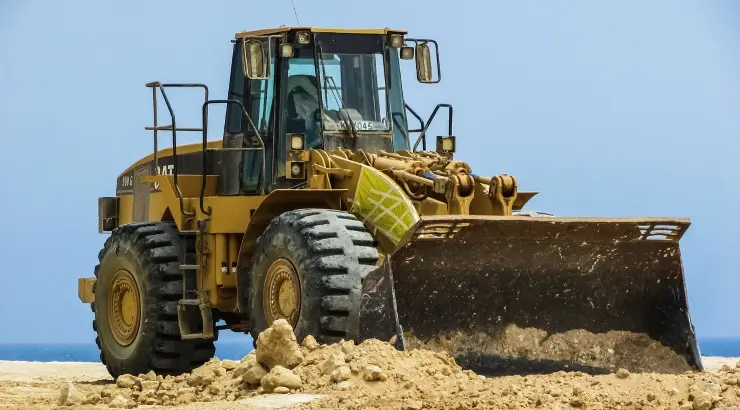

Equipment forms the backbone of industrial, commercial, and professional operations across the globe. From construction sites and manufacturing plants to medical facilities and research laboratories, specialized equipment enables efficiency, precision, and scalability. Understanding equipment—from its classification and technological advancements to maintenance strategies and economic impact—is essential for organizations seeking operational excellence and competitive advantage. This article provides an in-depth analysis of equipment, exploring its types, applications, technological integration, maintenance practices, and role in modern industry.
Classification of Equipment
Equipment can be classified in multiple ways, including by function, industry, mobility, and technological complexity. Proper classification allows organizations to select the right tools for specific applications and ensures optimal performance.
Heavy Equipment
Heavy equipment refers to large machines used in construction, mining, agriculture, and infrastructure projects. These machines handle tasks that require significant force, precision, and durability.
- Excavators: Used for digging, demolition, and material handling.
- Bulldozers: Designed for earthmoving, grading, and leveling.
- Cranes: Facilitate lifting and transporting heavy materials on construction sites.
- Loaders and Backhoes: Multi-functional machines for excavation, loading, and transport of materials.
Industrial Equipment
Industrial equipment is utilized in manufacturing, production, and processing facilities. It ensures efficiency, quality control, and safety in operations.
- Machinery Tools: Lathes, milling machines, and CNC equipment for precision manufacturing.
- Conveyors and Material Handling Systems: Streamline production flow and reduce manual labor.
- Presses and Molding Machines: Used in automotive, metal, and plastic manufacturing.
- Pumps, Compressors, and Turbines: Essential in chemical, energy, and utility sectors.
Medical and Laboratory Equipment
Medical equipment ensures accurate diagnostics, treatment, and research capabilities in healthcare and scientific institutions.
- Diagnostic Tools: MRI machines, X-ray devices, and ultrasound equipment for non-invasive testing.
- Surgical Instruments: Scalpels, robotic surgical systems, and endoscopes for precision operations.
- Laboratory Equipment: Centrifuges, spectrometers, and autoclaves facilitate research and experimentation.
- Patient Care Devices: Ventilators, infusion pumps, and monitoring systems support clinical operations.
Office and Commercial Equipment
Office and commercial equipment enhance productivity, communication, and service delivery in professional settings.
- Computers and Networking Devices: Enable digital operations, communication, and data management.
- Printers, Scanners, and Copiers: Support documentation and workflow efficiency.
- Point-of-Sale Systems: Streamline retail and hospitality transactions.
- Ergonomic Furniture and Tools: Improve employee comfort, safety, and productivity.
Specialized Equipment
Certain industries require highly specialized equipment tailored to unique operational needs, such as:
- Agricultural Equipment: Tractors, harvesters, and irrigation systems improve efficiency in farming.
- Mining Equipment: Drills, conveyors, and crushing machines optimize mineral extraction.
- Energy Sector Equipment: Solar panels, wind turbines, and drilling rigs enable sustainable energy production.
- Aerospace and Defense: Satellites, radar systems, and aircraft maintenance tools support national security and transportation.
Technological Integration in Equipment
Modern equipment increasingly incorporates advanced technologies to enhance performance, reliability, and automation.
Automation and Robotics
Automation reduces manual intervention, improves precision, and accelerates production cycles. Robotics in manufacturing, logistics, and medical applications enhances efficiency while minimizing human error.
- Industrial Robotics: Perform repetitive tasks, assembly, and quality inspections.
- Surgical Robots: Allow minimally invasive procedures with increased accuracy.
- Autonomous Vehicles and Drones: Facilitate material transport and aerial inspections.
Internet of Things (IoT) and Smart Equipment
IoT-enabled equipment collects real-time data, allowing predictive maintenance, operational optimization, and enhanced monitoring.
- Sensors and Monitoring Systems: Track temperature, pressure, and usage patterns.
- Predictive Analytics: Anticipate failures and reduce downtime.
- Remote Control and Management: Enable centralized supervision of equipment fleets across multiple locations.
Artificial Intelligence and Machine Learning
AI integration enables adaptive performance and decision-making capabilities.
- Process Optimization: Algorithms adjust operational parameters for maximum efficiency.
- Fault Detection: Machine learning models detect anomalies and prevent equipment breakdowns.
- Resource Management: AI optimizes energy consumption and material utilization.
Maintenance and Lifecycle Management
Proper maintenance of equipment ensures longevity, safety, and operational reliability. Lifecycle management encompasses preventive, predictive, and corrective maintenance strategies.
Preventive Maintenance
Scheduled inspections, lubrication, cleaning, and component replacements prevent unexpected failures. Preventive maintenance reduces downtime and prolongs equipment life.
Predictive Maintenance
Predictive maintenance uses real-time data and analytics to forecast equipment issues before they occur. Sensors, IoT devices, and AI models predict wear and tear, allowing proactive interventions.
Corrective Maintenance
Corrective maintenance addresses equipment failures or malfunctions. Rapid response and access to spare parts are critical to minimizing operational disruption.
Equipment Lifecycle Management
Lifecycle management includes planning, procurement, deployment, maintenance, and decommissioning. Proper lifecycle planning optimizes capital expenditure and ensures regulatory compliance.
Safety Considerations in Equipment Use
Equipment operation poses potential risks to personnel and assets. Safety protocols are essential across industries to prevent accidents and comply with regulatory standards.
- Operator Training: Ensures employees understand operational procedures and safety measures.
- Protective Gear and Ergonomics: Reduce injury risk during manual operations.
- Safety Inspections: Regular audits and certifications verify compliance with safety standards.
- Automation Safety Systems: Sensors, alarms, and emergency shutoffs protect operators from hazards.
Economic and Operational Impact of Equipment
Equipment investment significantly influences organizational productivity, cost efficiency, and competitiveness.
Productivity Enhancement
Modern equipment accelerates workflows, increases throughput, and reduces human error. Automation and precision tools enable organizations to meet higher production targets with fewer resources.
Cost Management
While equipment acquisition represents a substantial investment, strategic deployment and maintenance reduce operational costs over time. Energy-efficient machines and predictive maintenance programs contribute to long-term savings.
Competitive Advantage
Organizations leveraging advanced equipment achieve higher quality, faster production, and innovation capabilities. Cutting-edge machinery can differentiate companies in saturated markets.
Environmental Considerations
Sustainable equipment practices reduce energy consumption, emissions, and resource waste. Environmentally conscious organizations benefit from regulatory compliance, reduced operating costs, and improved public perception.
Emerging Trends in Equipment Technology
Equipment technology continues to evolve, influenced by digitalization, sustainability, and industry-specific demands.
- 3D Printing and Additive Manufacturing: Revolutionizes prototyping and production by enabling rapid, customized manufacturing.
- Smart Sensors and Real-Time Monitoring: Enhance equipment performance and safety monitoring.
- Renewable Energy Equipment: Solar, wind, and battery technologies support green energy adoption.
- Collaborative Robotics: Machines working alongside humans to improve efficiency and safety.
- Augmented Reality (AR) and Virtual Reality (VR): Facilitate equipment training, maintenance, and operational simulations.
Best Practices for Equipment Management
To maximize the effectiveness of equipment investments, organizations should implement comprehensive management strategies:
- Strategic Procurement: Select equipment based on operational needs, technological compatibility, and cost-effectiveness.
- Training Programs: Ensure operators and maintenance personnel possess the necessary skills.
- Preventive and Predictive Maintenance: Reduce downtime and extend equipment lifespan.
- Data-Driven Performance Tracking: Utilize IoT and analytics to optimize usage and energy consumption.
- Compliance and Safety Protocols: Adhere to industry standards and regulatory requirements.
- Sustainable Practices: Implement eco-friendly equipment usage, recycling, and energy-efficient technologies.
FAQs About Equipment
Q1: How do companies choose the right equipment for operations?
Companies assess operational requirements, industry standards, production volume, budget, and technological compatibility before selecting equipment. Consulting with experts and conducting cost-benefit analysis ensures optimal decisions.
Q2: What is the difference between preventive and predictive maintenance?
Preventive maintenance follows scheduled routines to avoid failures, while predictive maintenance uses real-time data and analytics to anticipate issues and intervene proactively.
Q3: How does equipment impact operational efficiency?
Advanced equipment enhances precision, speeds production, reduces manual labor, and minimizes errors, contributing to overall efficiency and higher output.
Q4: Why is safety critical in equipment use?
Improper operation can result in injuries, fatalities, or equipment damage. Safety protocols, training, and protective systems mitigate risks and ensure compliance with regulations.
Q5: How is technology transforming modern equipment?
Technologies like AI, IoT, robotics, and smart sensors enable automation, predictive analytics, real-time monitoring, and remote control, enhancing performance and reducing costs.
Q6: What role does sustainability play in equipment management?
Sustainable equipment practices minimize energy consumption, reduce emissions, and decrease resource waste, promoting environmental responsibility and regulatory compliance.
Q7: How can organizations extend the lifespan of their equipment?
Through proper maintenance, operator training, adherence to usage guidelines, and timely upgrades, organizations can maximize equipment longevity and performance.
Equipment is a critical asset across all industries, influencing productivity, operational efficiency, and strategic growth. By understanding the diverse types, technological integrations, maintenance practices, and safety considerations, organizations can optimize their equipment investment. Forward-looking companies that embrace innovation, sustainability, and proactive management are better positioned to maintain operational excellence, achieve competitive advantage, and meet the evolving demands of modern industry.
Effective equipment management is not just a matter of operational necessity; it is a strategic driver that can shape organizational success, resilience, and long-term profitability.

Comments are closed.